
This story appeared in the September 2026 issue of Around the Town
In the summer of 1965, twenty-year-old Kenneth Pruitt stepped into a future he had never imagined for himself. Sometimes life changes because we make a choice. Sometimes it changes because a letter arrives. It wasn’t a letter from a college. It wasn’t a job offer. It was a letter from Uncle Sam. Kenneth had been called to report to Houston for a physical examination for the military. Suddenly, the plans he had made were no longer entirely his to make. The country had other ideas.
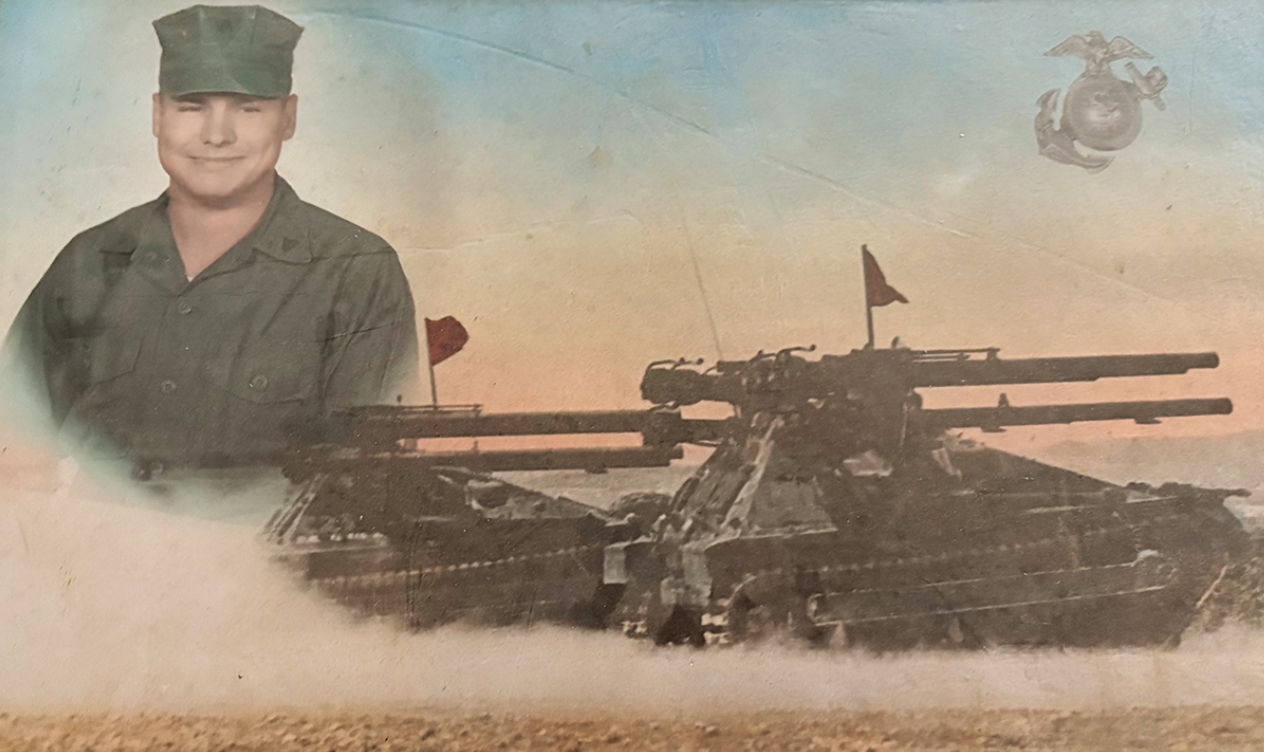
Kenneth Allen Pruitt grew up on a dairy farm in the Shady Grove community of Nacogdoches, Texas. The work was relentless, with most days stretching from sunup to sundown, seven days a week. Yet even amid the demands of farm life, Kenneth found time to play school football and participate in the FFA agricultural program. His dedication and talent on the football field earned him All-District honors. In 1962, Nacogdoches fielded the only undefeated team in school history, finishing the season 9-0-1—a remarkable run. But, the tie game ultimately kept Kenneth and his teammates from advancing to the state playoffs. During those years, he learned the value of discipline, perseverance, toughness, and teamwork. However, the Marine Corps would demand a different kind of toughness. So, Kenneth left behind Nacogdoches, his job, and his college plans for a Marine uniform and the Eagle, Globe, and Anchor. His first stop was the Marine Corps Recruit Depot in San Diego. After completing boot camp, Kenneth continued his training at Camp Pendleton before reporting to the Marine Staging Battalion, where Marines prepared for deployment to Vietnam. There, Kenneth and five fellow Marines were selected to attend the specialized Ontos Crewman School.
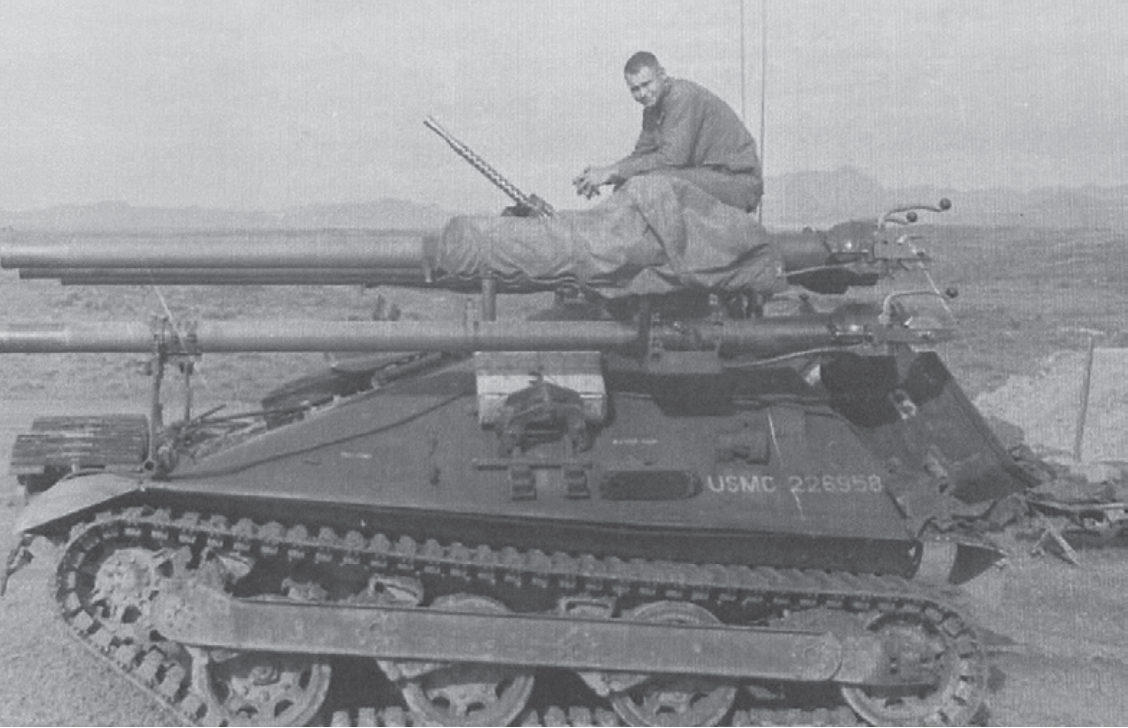
Following certification training, Kenneth was assigned to the 3rd Marine Division, Anti-Tank, Company B, 2nd Platoon. On the USS Gordon, a troop transport ship, Kenneth traveled through Hawaii and Okinawa before arriving at Da Nang, Vietnam. From there, he continued to his final destination—Phu Bai, a major Marine combat base where he would serve as Ontos commander alongside a driver and loader. The Ontos was an unusual-looking armored vehicle—small, fast, and highly maneuverable, but protected by relatively thin armor. Its greatest strength was the tremendous firepower it carried: six 106mm recoilless rifles, along with .50-caliber spotting rifles and a .30-caliber machine gun. Its six recoilless rifles could deliver devastating firepower against enemy positions, bunkers, buildings, and fortified locations. But there was a price for that firepower. When the six rifles needed to be reloaded, Kenneth and the crew members had to leave the relative protection of the vehicle and work outside, exposing themselves to enemy fire. Although the U.S. Army ultimately rejected the Ontos, the Marine Corps recognized its value and used it effectively during the Vietnam War.
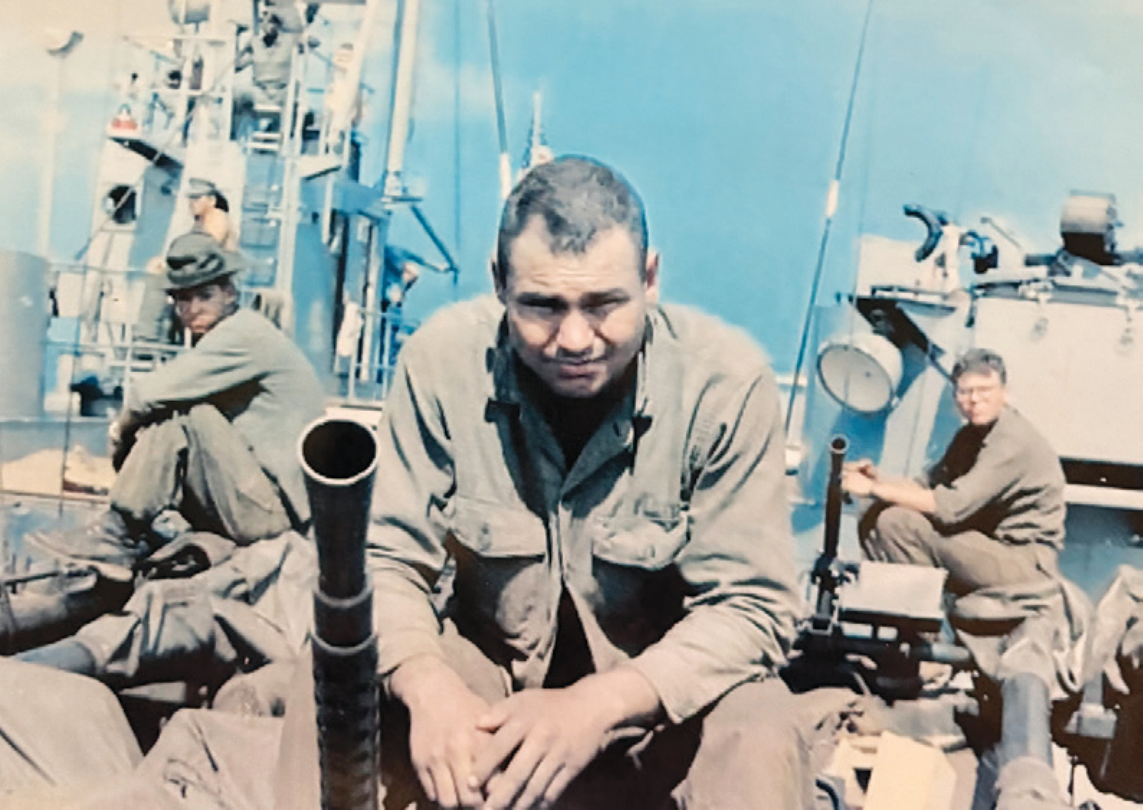
Vietnam was unlike anything Kenneth had ever known. The first thing that seemed impossible to escape was the sound of helicopters, which became a constant presence in daily life. There was heat, humidity, mud, insects, monsoon rains, land mines, small-arms fire, explosions, and the ever-present uncertainty of not knowing what the next day—or the next few minutes—might bring. During his tour, Kenneth experienced several close calls—those moments when a Marine realizes just how quickly everything can change. Yet, somehow, he made it through. Tragically, nine of the eighty Marines in Company B lost their lives.
When Kenneth’s time in Vietnam came to an end, he was able to leave the country without a physical wound. He returned home in August 1967 carrying with him something far less visible. To those around him, Kenneth had come home physically unscathed. There were no wounds to bandage, no broken bones, and no scars that immediately revealed what he had experienced. But the war had left its mark in other ways. The sounds, sights, and memories of Vietnam did not simply disappear when he stepped off the plane. The constant sounds of helicopters, explosions, gunfire, the smell of the jungle, and the ever-present awareness of danger had become deeply embedded in his memory. The men he served beside, the things he witnessed, and the close calls he experienced followed him home. Kenneth had left Vietnam, but in many ways, Vietnam never left Kenneth.
Kenneth, thank you for serving our country during Vietnam and for the sacrifices you made. You deserve to be remembered and honored —not just for your service, but for the courage it took to serve during such a difficult time. May God bless you.